
The COVID-19 pandemic has caused the Philippine government to adopt quarantine measures since March 2020, placing limitations on overall economic activity. As people remain in their homes and businesses prepare for a new normal, the economy has been forced to adopt technological solutions to meet demands. These adjustments have accelerated the utilization of modern technology by the developing country.
While the country joins the rest of the world in facing the disadvantages, it has been achieving milestones in technological awareness across all population age groups. For example, (1) schools have adopted non-traditional teaching platforms to educate its students and students have sought alternative means to educate themselves, (2) traditional large corporations that comprise the backbone of the economy now understand the advantages of working remotely and more clearly see the value of innovating standard practices, (3) MSMEs that make up a majority of economic output were forced to rethink operational processes, use online payment solutions to facilitate transactions, and explore new ways to engage customers, (4) the recently-unemployed are starting businesses and are leveraging on e-commerce platforms and social media to gain traction, (5) the less tech-savvy government entities recognize the need to adopt solutions for their processes, and (6) older generations have learned to maximize the capability of social media to keep in touch with family members. As the Philippines slowly begins to experience a sense of normalcy, these observations suggest that the country has managed to take another step towards technological adoption.
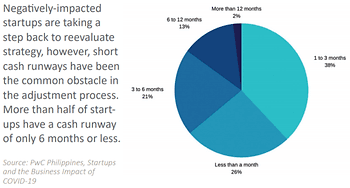
Cash flow challenges have led to downsizing or pivoting to leverage on online platforms. Restaurants, groceries, and pharmacies, for example, have integrated the use of technological solutions to serve the shift in consumer behavior. Sectors that have benefited from these changes are e-commerce, education technology, financial technology, logistics, healthcare, and enterprise solutions.
Top 20 Largest Startup Transactions
Philippine E-Commerce Shows Indications of Promising Growth