
The Philippine economy has shown sustained growth in its post-pandemic era. By 2075, the country is expected to rank as the 14th largest economy globally, driven by several key factors. One of the main contributors is the increase in private consumption, propelled by the growing middle class. The poverty headcount ratio of 2021 was 18.1%, which is a 5.4% decrease from 2015. This decrease in the poverty headcount ratio indicates an increase in the middle class population. This population is expected to maintain an upward trajectory as the local average income per person is expected to double by 2030.Moreover, discretionary spending has continued to increase, illustrated by the high revenues of malls, food groups, and other vendors of these goods. Three leading mall operators have shown that their mall revenues in the Philippines have clearly bounced back from pandemic lows, with SM Supermalls reaching "record breaking" mall rental income in 2023, and Robinsons Malls similarly continuing "to experience significant increase in revenues, driven by sustained growth in consumer spending and retail sales."In addition to shopping centers, large food groups have also seen an uptick in same-store sales. Jollibee Foods Corporation (JFC), parent company to the largest food chain in the Philippines, reported same store sales growth in the Philippines of 40.6% and 17.6% in 2022 and 2023, respectively. Similarly, ecommerce platforms like Shopee, Tiktok, and Lazada have also shown to perform very well in the Philippines according to TMO Group saw “year-on-year growth of 18.5%, ranking among the top ten in global eCommerce traffic.”These influxes in revenue have illustrated the increased discretionary consumption in the Philippines. Despite the recent success that shopping centers and food groups have seen, gaps continue to persist, leaving space for new D2C brands to enter this market. Currently, the upper market is heavily penetrated by luxury international brands, while older generational brands are widely used by lower income households.Local D2C brands have slowly been able to serve the middle class, while simultaneously gaining market share from the lower and upper classes. Especially in an inflationary environment, affordable local D2C brands have shown to be an attractive choice for the average consumer.
 |  |  |
Colourette, the cosmetic arm of Niv Della, has been disrupting the cosmetic industry by offering products tailored to the Filipino lifestyle at low price points. NivDella creates products suited for the humidity of the Philippines, in addition to producing items with a wide shade range, complimenting all Filipino skin tones. | PickUp Coffee offers quality specialty coffees to its consumers at affordable prices making it accessible for Filipinos. PickUp Coffee has expanded exponentially since its launch in early 2022. | Goodies Nutrition, a supplement line from Armada Brands, offers affordable wellness supplements made with high-quality ingredients and expert nutritionists' guidance, promoting health and wellness in a convenient format. |
While the market is ripe for local D2C brands to win, in order to do so brands need to understand the anatomy of the Filipino market and consumer to expand their customer base, similar to what the companies mentioned above have successfully done. Filipino consumers typically buy based on emotion and justify their purchases through logic, making live commerce and O2O models successful strategies for their businesses.
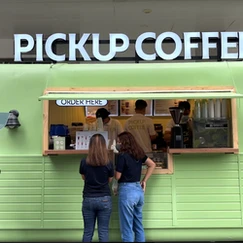 |  |  |
Live commerce models enable interactions between the brand and their consumers, enhancing authenticity and facilitating informed decision-making. In the Philippines, 74.2% of the population uses the internet, and this number is expected to grow as digital connectivity expands and the middle class rises, leading to increased smartphone ownership. Consequently, live commerce is poised to be a key driver of success for D2C brands. Nina Dizon, CEO and Founder of Niv Della, leverages social media platforms like TikTok and Instagram to engage with her customers in real-time. Through these interactions, she reinforces brand love and loyalty. Armada Brands utilizes live selling on TikTok to reach a wider audience and therefore gain more exposure and more sales.Brands can also capitalize on this behavior by adopting an O2O (online-to-offline) model, which enhances consumer trust in products while providing added convenience. According to a Nielsen study, 64% of Filipinos prefer to touch and see products before purchasing. Leveraging the substantial digital user base, brands can effectively use the O2O model to sell trusted products, meet consumer preferences and boost sales. Pickup Coffee’s online presence through GrabFood and FoodPanda, amongst others, coupled with their rapid offline expansion has made them one of the fastest growing D2C startups in the Philippines.Overall, despite the wide array of D2C brands in the Philippines, startups are poised in an advantageous position if they are able to capitalize on the emerging middle class.
Sources: Philippine Venture Capital Report 2024, DataReportal, Goldman Sachs, Jollibee Group, Kadence, Manila Bulletin, Nielsen, TMO Group, Worldbank, Worldometer
Niv Della